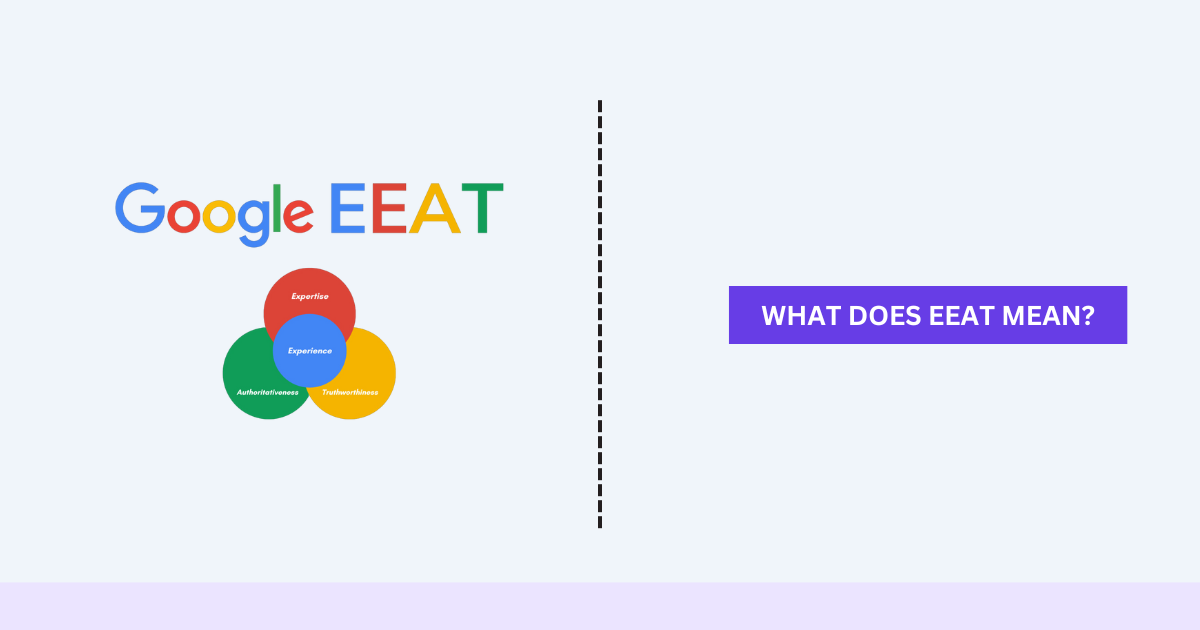
The term E-E-A-T stands for Experience, Expertise, Authoritativeness, and Trustworthiness. These elements are essential for creating high-quality content and websites that rank well in search engine results. Understanding and implementing E-E-A-T principles can significantly improve your website’s performance and credibility. This comprehensive guide will explore each component of E-E-A-T, discussing how they impact web design and providing practical tips for enhancing your website.
Understanding E-E-A-T
What is E-E-A-T?
E-E-A-T is a concept introduced by Google in its guidelines for Search Quality Evaluators. It is used to assess the quality of content and websites. The acronym stands for:
- Experience: The level of real-world knowledge and familiarity demonstrated by the content.
- Expertise: The skill and knowledge of the content creator or author.
- Authoritativeness: The credibility and reputation of the content creator, website, or organization.
- Trustworthiness: The reliability and integrity of the content and the website as a whole.
Why is E-E-A-T Important?
E-E-A-T is crucial because it helps search engines determine the quality and relevance of content. Websites that demonstrate strong E-E-A-T are more likely to rank higher in search engine results, leading to increased visibility and traffic. For users, E-E-A-T ensures that they are accessing accurate, reliable, and valuable information.
Experience in Web Design
What is Experience?
Experience refers to the practical knowledge and insights gained through real-world interactions and activities. In web design, experience is demonstrated through content that reflects a deep understanding of the subject matter and provides valuable insights based on real-world experiences.
How to Demonstrate Experience
- Use Case Studies and Examples: Incorporate real-world examples and case studies to illustrate your points. This shows that you have practical knowledge and experience in the field.
- Provide Detailed Instructions and Guides: Offer step-by-step guides and tutorials that reflect your hands-on experience. This helps users understand complex concepts and processes.
- Share Personal Stories: Relate personal experiences that are relevant to the topic. This makes your content more relatable and engaging.
Impact of Experience on Web Design
Experience enhances the credibility and value of your content. It shows that you have practical knowledge and can provide useful insights to your audience. In web design, demonstrating experience can help build trust and establish your website as a reliable source of information.
Expertise in Web Design
What is Expertise?
Expertise refers to the skill and knowledge of the content creator. It is demonstrated through high-quality, accurate, and insightful content that showcases the author’s deep understanding of the subject matter.
How to Demonstrate Expertise
- Highlight Qualifications and Credentials: Clearly display the qualifications and credentials of the content creator. This could include degrees, certifications, and professional experience.
- Provide In-Depth Analysis: Offer detailed and well-researched analysis that demonstrates a deep understanding of the topic.
- Use Reliable Sources: Cite reputable sources and references to back up your claims. This shows that your content is well-researched and credible.
Impact of Expertise on Web Design
Expertise enhances the quality and reliability of your content. It shows that the information provided is accurate and based on a deep understanding of the subject. In web design, demonstrating expertise can help establish your website as an authoritative source of information.
Authoritativeness in Web Design
What is Authoritativeness?
Authoritativeness refers to the credibility and reputation of the content creator, website, or organization. It is demonstrated through recognition and endorsements from other reputable sources.
How to Demonstrate Authoritativeness
- Earn Backlinks from Reputable Sites: Acquire backlinks from well-known and reputable websites. This indicates to search engines that your content is both valuable and trustworthy.
- Showcase Awards and Recognitions: Highlight any awards, recognitions, or endorsements received by the content creator or website.
- Feature Guest Contributions: Invite recognized experts to contribute content to your website. This enhances the credibility and authority of your site.
Impact of Authoritativeness on Web Design
Authoritativeness establishes your website as a credible and reliable source of information. It shows that other reputable sources recognize and endorse your content. In web design, demonstrating authoritativeness can help improve your website’s search engine rankings and attract more visitors.
Trustworthiness in Web Design
What is Trustworthiness?
Trustworthiness refers to the reliability and integrity of the content and the website as a whole. It is demonstrated through transparency, honesty, and adherence to ethical standards.
How to Demonstrate Trustworthiness
- Provide Clear and Accurate Information: Ensure that all information on your website is accurate, up-to-date, and free from errors.
- Be Transparent: Be open and transparent about your business practices, policies, and affiliations.
- Protect User Privacy: Implement robust security measures to protect user data and privacy. Display trust seals and certificates to reassure users.
Impact of Trustworthiness on Web Design
Trustworthiness enhances the reliability and integrity of your website. It shows that users can trust the information provided and feel safe interacting with your site. In web design, demonstrating trustworthiness can help build long-term relationships with your audience and improve user retention.
E-E-A-T (Experience, Expertise, Authoritativeness, and Trustworthiness) is a critical framework for creating high-quality content and websites. By understanding and implementing the principles of E-E-A-T, you can significantly enhance your website’s credibility, usability, and performance in search engine rankings. Balancing these elements requires careful planning and execution, but the rewards in terms of user trust, engagement, and satisfaction are well worth the effort. As the digital landscape continues to evolve, staying committed to E-E-A-T principles will help ensure that your website remains a valuable and reliable resource for your audience.
Need this done for your business?
Free quote, fast reply — no obligation.
Get Free Quote WhatsApp Us